
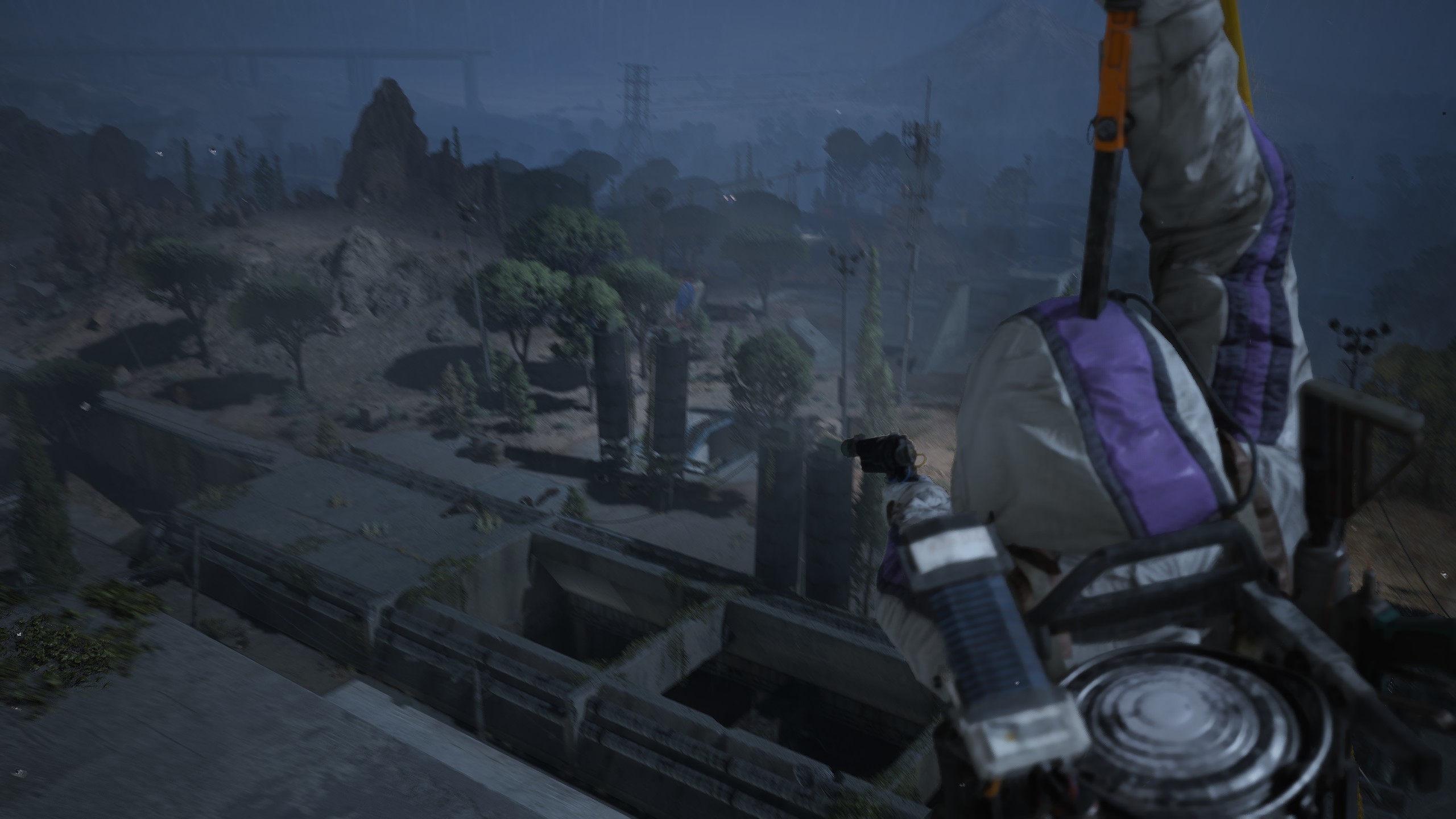
Successful raids in Arc Raiders often begin long before deployment. Decisions made outside the match—loadout selection, route intention, risk tolerance, and exit planning—quietly shape how players respond under pressure.
Players who enter raids without a plan rely on improvisation alone, while those who prepare carry structure into chaos. This preparation does not guarantee safety, but it preserves clarity when conditions deteriorate.
Why Preparation Reduces Cognitive Load
In-raid pressure compresses decision-making time. Players who predefine priorities spend less effort choosing and more effort executing. Knowing what to avoid, when to extract, and how much risk is acceptable prevents hesitation.
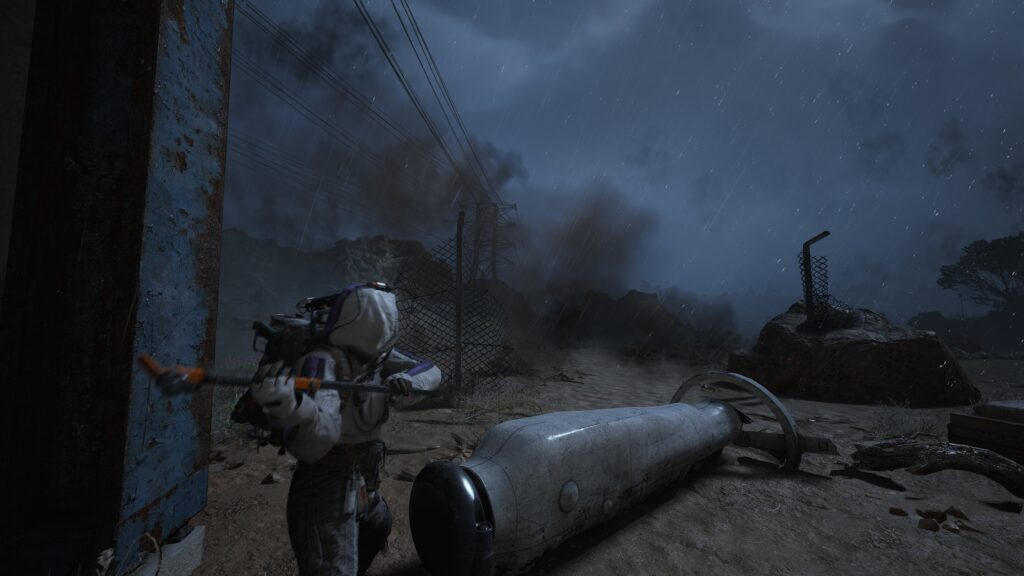
Survivors reduce cognitive load before the match begins, allowing attention to remain on awareness rather than indecision once threats appear.
Planning for Failure Instead of Perfection
Effective planning assumes things will go wrong. Routes are chosen with alternatives in mind, loadouts reflect fallback behavior, and extraction timing includes margin for error.
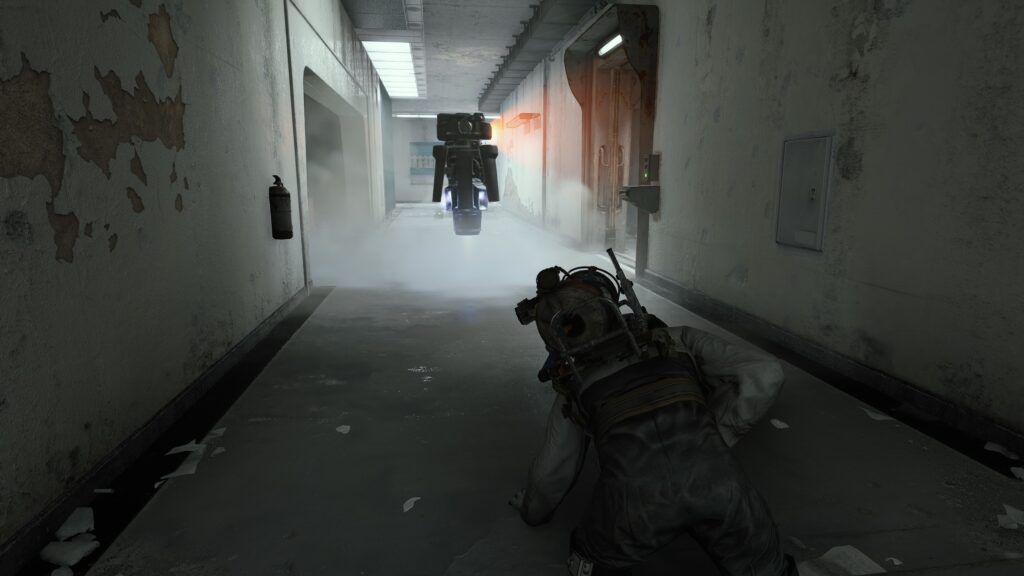
Players who plan only for ideal progression collapse when conditions shift. Survivors expect disruption and prepare responses instead of reacting emotionally when plans change.
Loadout Intent Shapes In-Raid Choices
Equipment choices communicate intent. A loadout built for mobility encourages disengagement, while one tuned for stability invites controlled fights. Players who understand this alignment make faster decisions mid-raid. Those who mix conflicting intentions hesitate when pressure rises. Survivors ensure their gear supports how they expect to move and respond, not how they hope the raid will unfold.
Common Planning Mistakes Players Make
Certain oversights repeatedly undermine preparation.
- Entering raids without extraction timing in mind
- Building loadouts without fallback options
- Overplanning routes without considering disruption
- Ignoring how risk tolerance changes mid-raid
These gaps surface when pressure is highest.
Why Planning Preserves Emotional Control
Preparation stabilizes emotion. Players with a plan are less likely to panic, overcommit, or chase losses. When outcomes deviate, adjustment feels procedural rather than personal.
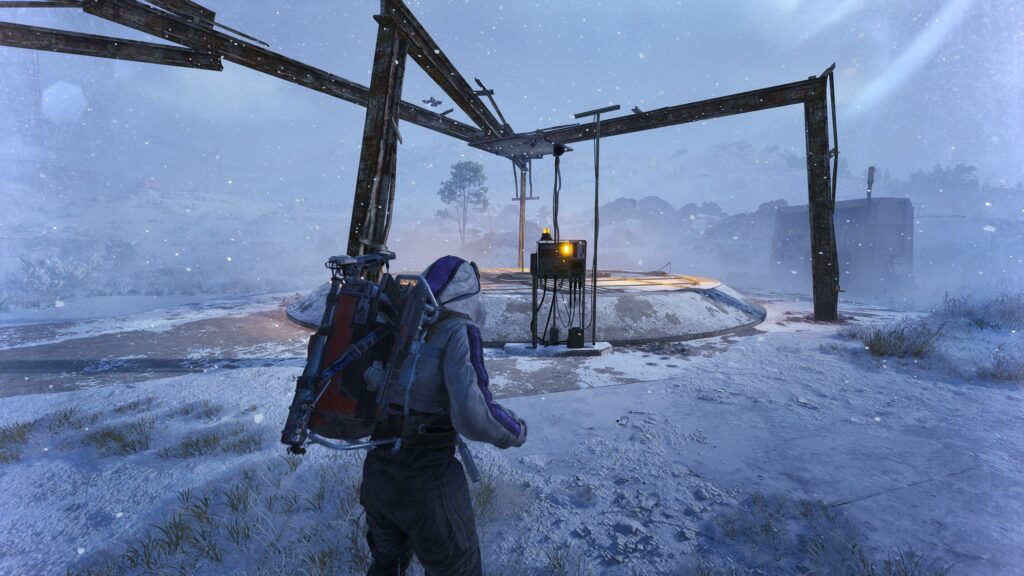
Survivors rely on structure to maintain composure when uncertainty rises. Planning does not remove risk—it removes confusion.
Conclusion
Raid planning outside the match in Arc Raiders pays off inside by preserving clarity, intent, and emotional control. Players who prepare for disruption rather than perfection adapt faster under pressure.
Survival improves when decisions are made early, calmly, and deliberately—before chaos demands them.
Leave a Reply