
The dish at a glance
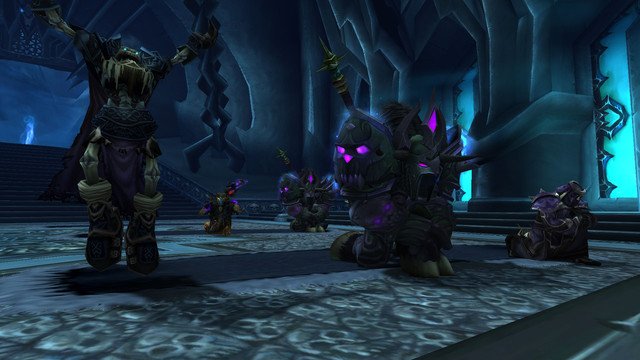
Think of a successful raid evening as a dish that needs the right ingredients, a clear method and sensible timing. This card is for the Venomous Abyss, the eight-boss raid of patch 12.1, Curse of Ula’tek, in World of Warcraft: Midnight. It serves a group of players, takes an evening, and is best prepared one wing at a time. The difficulty ranges from gentle to demanding depending on the mode you choose, and you can adjust the seasoning, meaning the pace and the expectations, to taste.

Ingredients: the character
Start with the base. Your character must be level 90, because the raid on the Coiled Isle requires it. For Raid Finder, the minimum item level is 273, so check your gear before you shop for anything else. Make sure your equipment is repaired and your talents suit the role you will play. Like a cook checking the pantry, do this check early in the day. It is far easier to fix a missing piece at noon than ten minutes before the pull.
Ingredients: consumables and addons
Next come the seasonings. Gather your usual consumables, such as food, flasks and potions, and keep a spare set. Prepare addons that show cooldowns, raid warnings and your personal responsibilities in an uncluttered way. Resist adding every interface tool you have seen; a crowded screen is like an over-spiced sauce, hiding what matters. Test your setup in a quiet place first, and write down the settings that worked so that you can restore them after any update.
Ingredients: the group
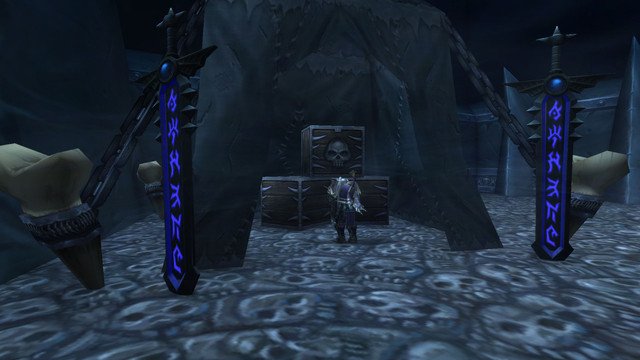
The main ingredient is people. A balanced group has tanks, healers and damage dealers in numbers that suit your chosen mode, plus a calm leader who is willing to explain the plan. Share the schedule in advance, state the loot rule clearly, and ask everyone to confirm attendance. Having a spare player on standby is like keeping extra stock: you will rarely need it, and you will be glad on the evening you do. Friendly, patient people matter more than a perfect list.
Method: mise en place
Before cooking, set everything in place. Thirty minutes before the start, log in, repair, check consumables and read the evening’s plan. Ask the leader to post the order of bosses and the break times. Review the four wings of the raid: the Soulcoilers, the Essence of Venom, the Serpent Warren and the Tomb of Ula’tek. Each wing holds two bosses. Decide how many wings you will attempt tonight; one or two is sensible. Preparation here prevents hurried decisions later, much as chopping everything first keeps a kitchen calm.
Method: the cooking steps
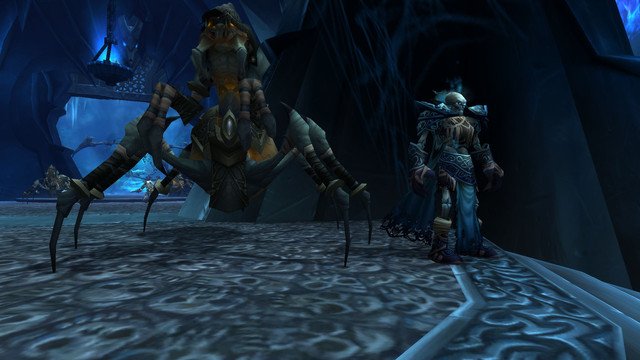
Work in stages. First, gather in the raid and run a quick check of roles and voice. Second, state the goal for the first boss and any key reminders. Third, begin the attempt, keeping calls short. Fourth, after each try, take one minute to share a single observation. Fifth, adjust and try again. Step away at the planned break rather than pushing through hunger and fatigue. If a boss has not fallen after a reasonable number of tries, note what you learned and move on without frustration.
Timing and temperature
A typical evening of two to three hours suits one wing, or perhaps two if the group is practised. Normal, Heroic and Mythic opened on August 18, with Europe starting August 19, while Story Mode and Raid Finder wings unlocked later on a weekly schedule, so check which dishes are on the menu this week. Keep the temperature moderate: a relaxed tone lets people think clearly. Rushed groups burn things. Allow time at the end for loot, thanks and a short note about next week.
Tasting notes: reviewing the night
After the meal, taste honestly. Was the pace comfortable? Did everyone understand their role? Were the calls clear and kind? Did the loot rule hold up? Write down two things to keep and one thing to change. This review turns a single evening into a recipe you can improve. It also gives quieter members a chance to speak, since a short written round often draws out thoughts that rarely appear in the heat of an attempt.
Substitutions: if an ingredient is missing
Every cook substitutes. If your guild cannot field a full group, try an open group with a clear description, or lower the mode to Normal or Raid Finder. If a role is short, ask whether a player can swap on a spare character. If time is limited, plan a single wing instead of the full set. Substitutions are not failures; they are normal adjustments that keep the evening enjoyable. Trying these free swaps first costs nothing and often solves the problem.
Substitution: paid help
Some players replace the group ingredient with paid assistance. A Venomous Abyss raid boost is a paid arrangement in which other players help clear content, and it is a substitution with real caveats. The game publisher restricts third-party services and shared accounts, so penalties are possible, and no outcome can be promised. Read the current terms, compare providers, protect your login details, keep records, and try guild or open groups first. Like an unfamiliar ingredient from an unknown supplier, it deserves questions before it goes into the pan.
Kitchen safety: protecting your account
Good kitchens follow safety rules, and so should you. Use a unique password, enable every security feature available on your account, and never share details through unofficial channels. Be suspicious of requests that feel rushed or that ask for more than is needed. Keep screenshots and messages of any agreement. If something feels wrong, stop and walk away. Your account is the most valuable tool you own, and replacing a lost one is far harder than skipping a single raid evening.
Plating: keeping the table pleasant
Presentation matters in a kitchen and at a raid table. Keep the tone friendly, thank people for small contributions such as preparing a note or arriving early, and avoid sharp remarks after a failed attempt. A group that feels respected returns the following week. Share a short summary at the end of the night with the bosses completed, the lessons learned and the date of the next session, so that everyone leaves with the same picture.
Variations for smaller or larger tables
Recipes scale. A close-knit group can attempt a single wing with relaxed pacing and plenty of discussion, while a larger group may need stricter timing and more formal calls. If attendance drops, reduce the scope rather than force the original plan. If newcomers join, give them a short written briefing covering the loot rule, the addons you recommend and the order of bosses. Adjusting the portion to the guests is the mark of a good host.
Finally, keep a simple notebook of your own versions. Over a few weeks, you will learn which combinations of timing, mode and group size suit you best, and the card will become entirely your own, refined by experience rather than copied from anyone else.
Serving and leftovers
When the plate is cleared, share what you learned. Post the notes, thank the group, and set the next date. Leftovers in this kitchen are lessons: a note about a timing problem or a better addon layout is worth keeping for next week. Over time your recipe card grows more precise, and the Venomous Abyss becomes less a mystery than a familiar dish that you can prepare calmly, with friends, however the evening turns out.
Leave a Reply