
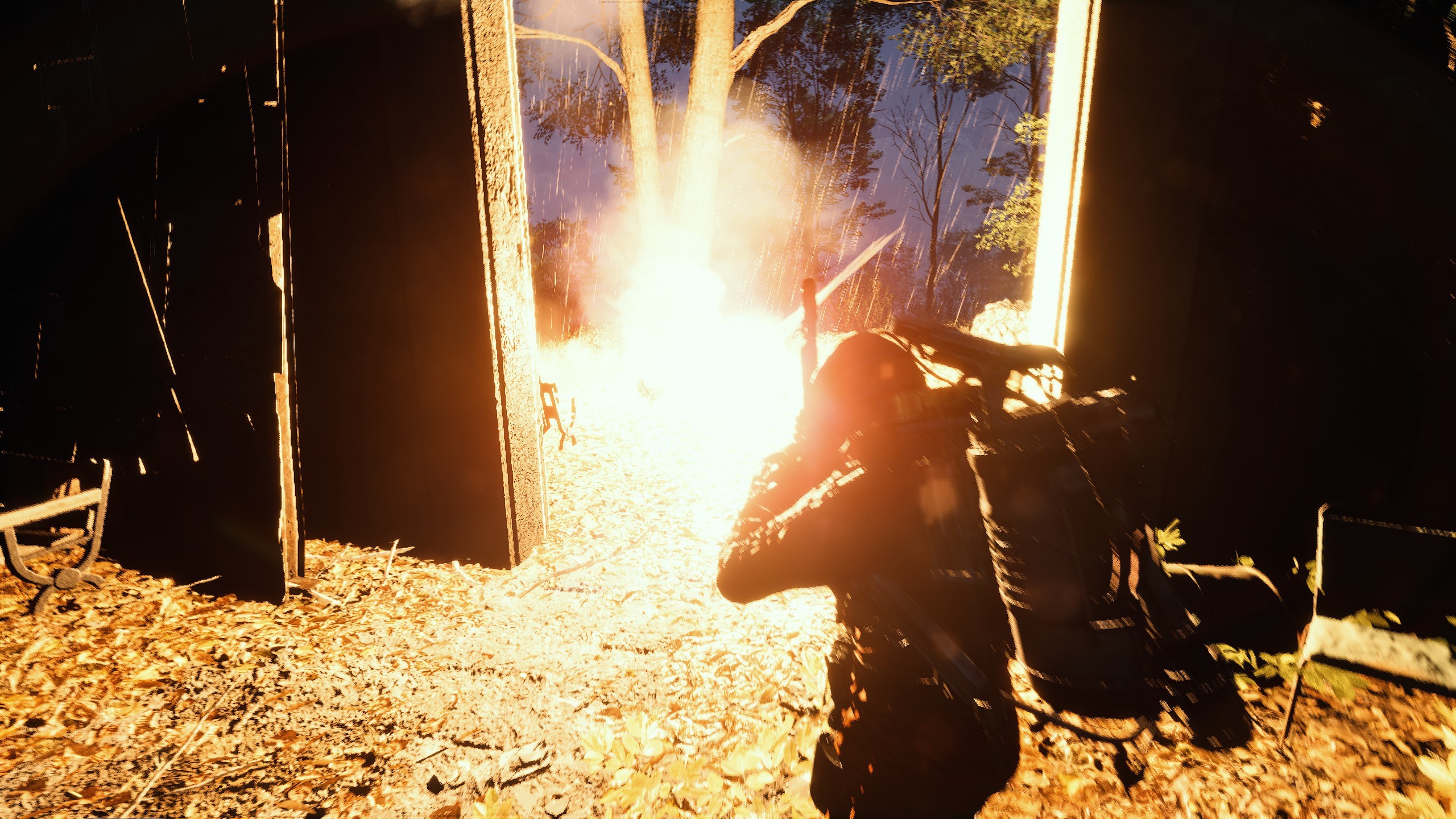
Mastering healing under fire in Arc Raiders is a distinct tactical progression path that separates casualties from survivors. In the high-lethality environment of the Exclusion Zone, you will rarely have the luxury of a “safe” place to recover. For players aiming to survive sustained engagements and recover from ambushes, developing a micro-healing playbook forms a reliable framework for mastery. It is about understanding that healing is a mechanical process that can be integrated into your movement.
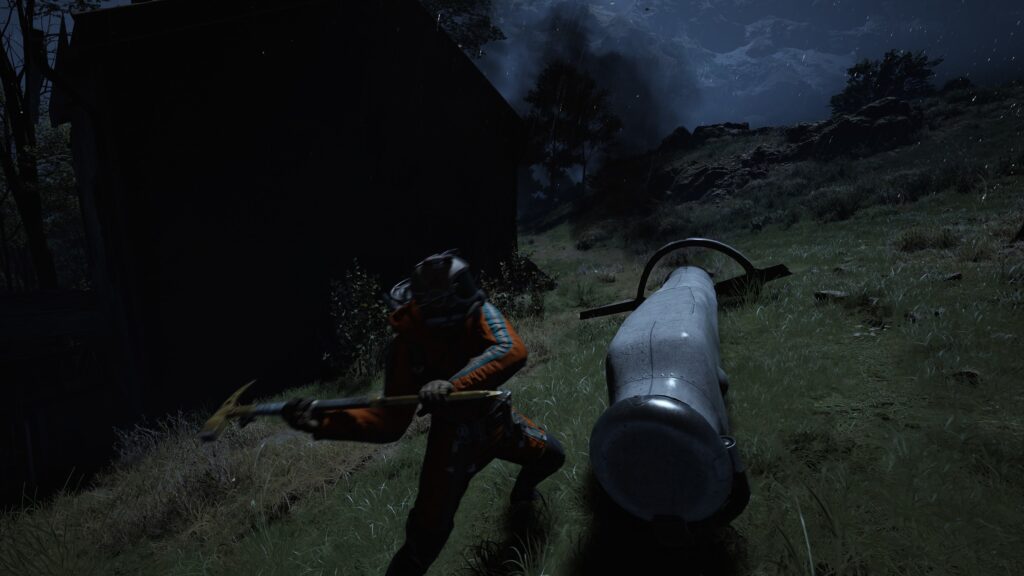
This guide examines how to approach recovery efficiently, focusing on the “break-and-plate” cycle, the use of temporary visual cover, and the strategic importance of never standing still while a medkit is active.
The Logic of Incremental Recovery
Healing is not an all-or-nothing event. In a fight, your goal is “incremental recovery”—gaining just enough health or armor to survive the next exchange. Many players make the mistake of trying to reach 100% health before re-engaging, which often gives the enemy time to push or flank. A successful raider understands the “lethal threshold” of their opponent. If you have enough armor to survive one more burst, you have enough to keep fighting. This deterministic mindset keeps you in the engagement rather than out of it.
Micro-healing requires you to treat your healing items as a tactical resource to be used in small windows. By using cover to “break” line of sight for even two seconds, you can apply an armor plate or a quick-stim. This constant cycling of damage and recovery makes you an incredibly difficult target to eliminate, as the enemy feels they are fighting an opponent who “never stays down.” Mastery of this cycle is what allows a raider to win long, grueling battles of attrition.
Core Tactics: The Slide-Heal and the Looping Rotate
To recover resources without becoming a stationary target, you must utilize these movement-integrated healing habits:
- The Slide-Heal: Initiate your heal or armor repair at the start of a slide. The momentum carries you behind cover while the animation is already running, saving you precious milliseconds of vulnerability.
- The Looping Rotate: Instead of running directly away to heal, move in a wide “U” shape around a piece of cover. This keeps you mobile and allows you to peek the enemy from a different angle the moment your heal finishes.
- The Fake Peek: While healing, briefly expose your shoulder and then pull back. This often baits the enemy into shooting, forcing them to reload just as your health or armor is restored, giving you the perfect opening to counter-attack.
Using Utility as a Medical Barrier
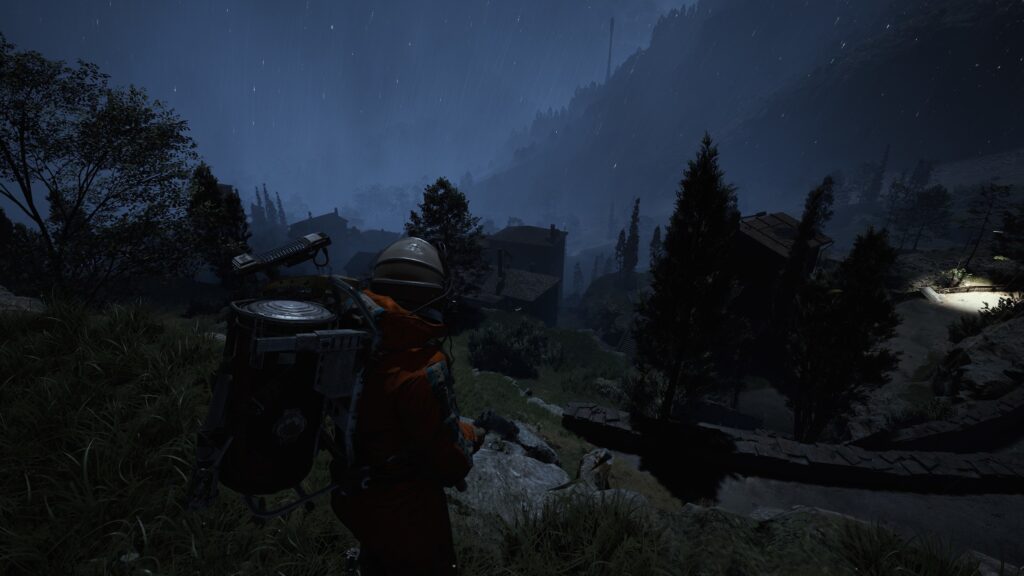
When you are critically wounded and there is no hard cover nearby, your utility is your only medkit. Smoke grenades and deployable barriers are “medical tools” as much as they are defensive ones. By creating a visual or physical barrier, you buy the five seconds needed for a full reset. Do not be stingy with your utility when your life is on the line; a smoke grenade is far cheaper than losing your entire kit to a greedy push. A veteran raider uses their tools to create “sanctuaries” in the middle of a street.
You must also learn the “Armor First” rule. Armor plates are generally faster to apply than health kits and provide immediate protection against the next shot. If you are under intense pressure, always prioritize your armor. It acts as a buffer that prevents you from being “one-tapped” while you find a more permanent place to restore your health. Integrating these utility-med combos into your routine ensures that you are never truly defenseless, even when caught in the open.
The Psychological Impact of the “Grit” Reset
There is a massive psychological advantage to healing mid-fight. When an enemy breaks your armor and expects a kill, but then sees you return a second later with fresh plates, it creates a sense of futility. This is the “Grit Reset.” It forces the enemy to question their own aggression and often leads to them making a desperate, poorly-timed push. By staying calm and following your micro-steps, you transform your survival into a weapon that demoralizes the opposition.
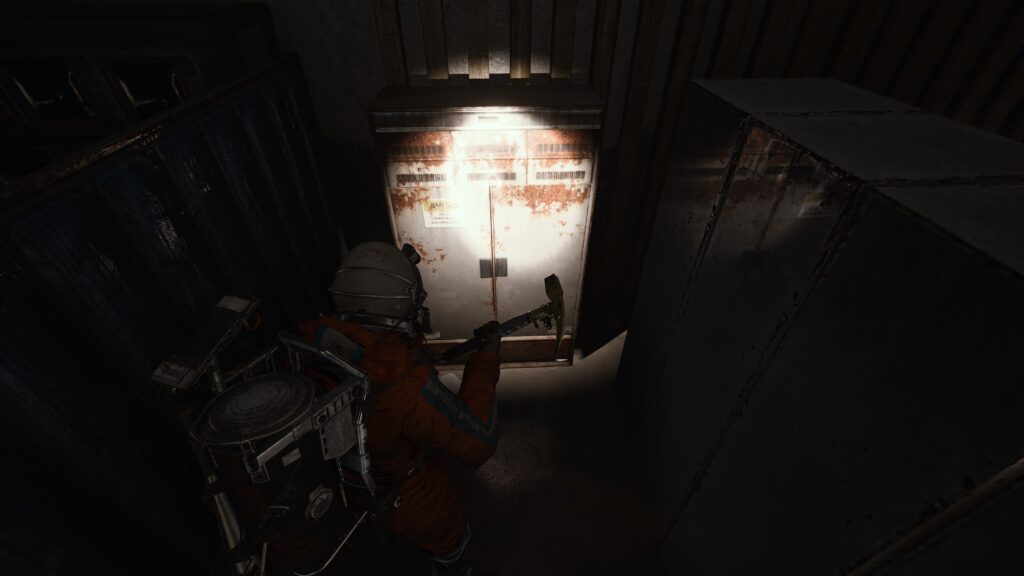
Consistency in your healing routine is what builds this grit. Practice the exact timing of your animations so you know exactly when you can start shooting again. A raider who can heal in the “eye of the storm” is a raider who dictates the terms of every engagement. They don’t just survive; they endure, outlasting opponents through superior resource management and mechanical discipline. Master the micro-steps, and you will become the most resilient force in the Exclusion Zone.
Conclusion: Resilience Through Discipline
Healing under fire rewards the methodical and the agile. By treating every second of cover as a recovery opportunity and integrating your movement with your medical animations, you transform your survivability. Integrating these micro-healing habits into your daily routine ensures that you consistently outlast opponents in the Exclusion Zone, providing a stable path to victory through the power of mechanical grit.
Leave a Reply