
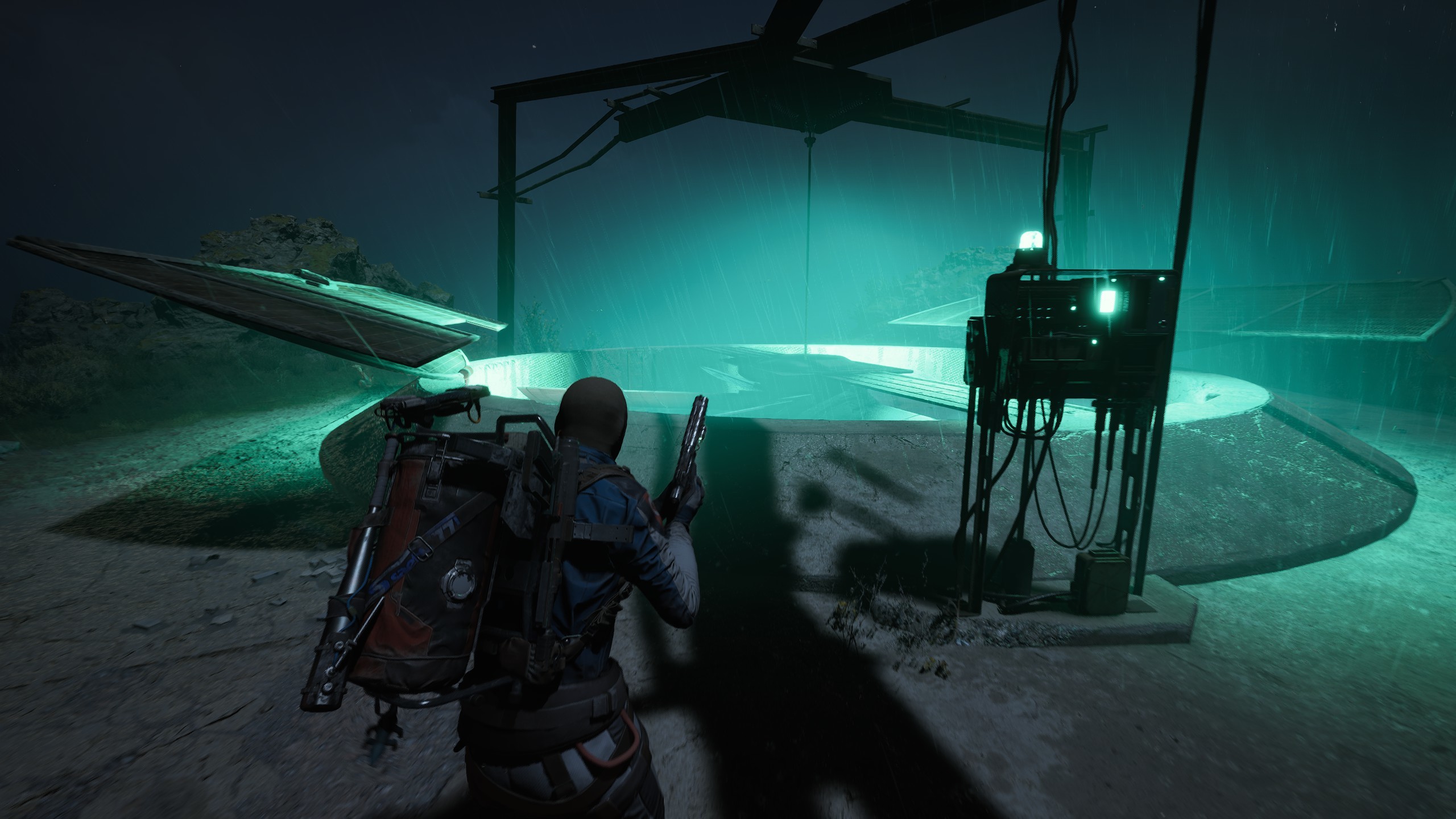
High-density zones in Arc Raiders punish speed and reward restraint. These areas compress multiple threats into limited space, removing the margin for impulsive movement.
Players who rush through them often trigger overlapping aggro, sound escalation, and positional traps. Survival in dense zones depends on accepting a slower pace and treating progress as a series of controlled steps rather than a continuous push.
Why Density Changes the Rules of Engagement
In low-density areas, mistakes are recoverable. In dense zones, they compound instantly. Multiple enemies share awareness, reinforcement paths overlap, and escape routes are limited.
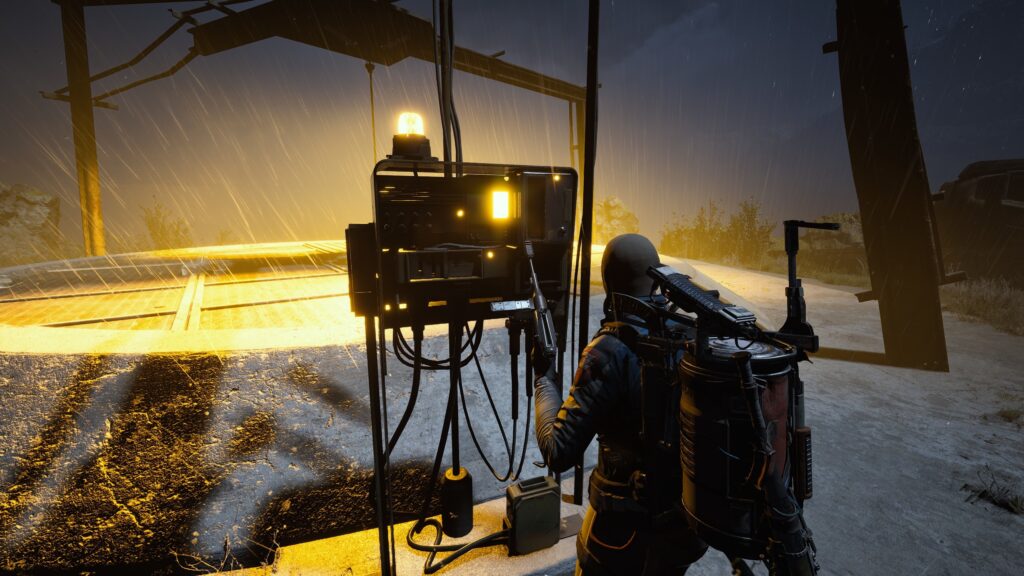
A single noisy action can pull pressure from several directions at once. Survivors recognize that density shifts the goal from winning fights to managing exposure. Avoidance and control become more valuable than elimination.
Information Gathering Replaces Momentum
Slow play in dense zones is not passive—it is deliberate. Players pause to read patrol spacing, listen for movement layers, and identify which enemies can be bypassed. This information shapes micro-decisions that prevent escalation. Rushing removes the ability to gather this data. Survivors trade speed for clarity, knowing that clarity prevents collapse.
Micro-Positioning Prevents Chain Aggro
Small positioning choices matter more in dense environments. Leaning too far into open sightlines or crossing shared audio spaces can trigger multiple groups. Survivors move between cover pockets, using terrain to break awareness incrementally.
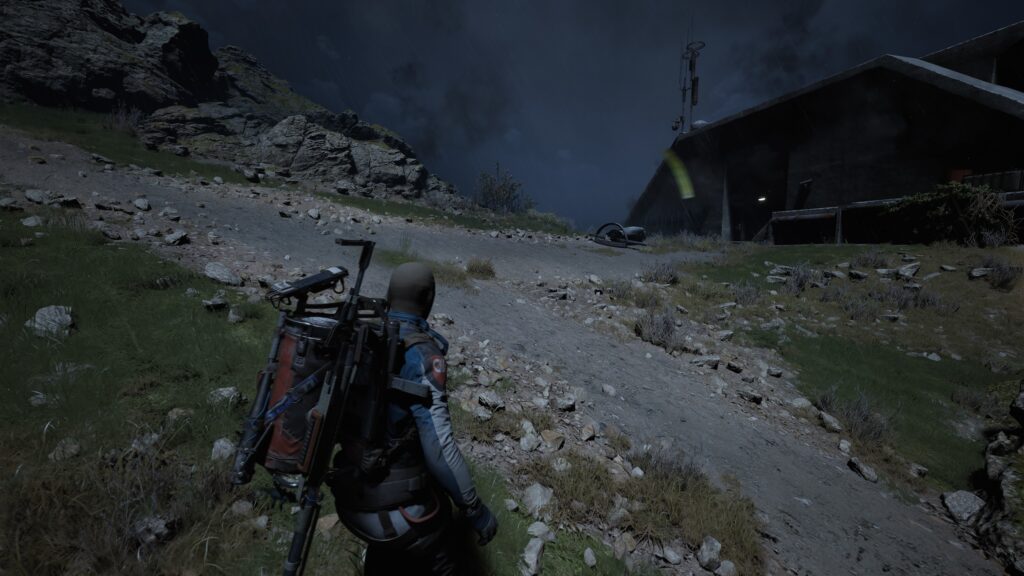
Progress happens in short, safe advances rather than long strides. This discipline keeps encounters isolated instead of stacked.
Mistakes That Make Dense Zones Unplayable
Certain behaviors consistently turn density into disaster.
- Sprinting through shared patrol areas
- Engaging without checking adjacent sightlines
- Looting immediately after contact
- Assuming cleared space stays safe
These actions collapse control faster than enemy damage.
Why Slow Play Saves More Time
Slow movement feels inefficient, but it prevents costly resets. Players who advance methodically avoid prolonged fights, resource drain, and forced retreats. Time saved by rushing is often lost later through recovery or failure.
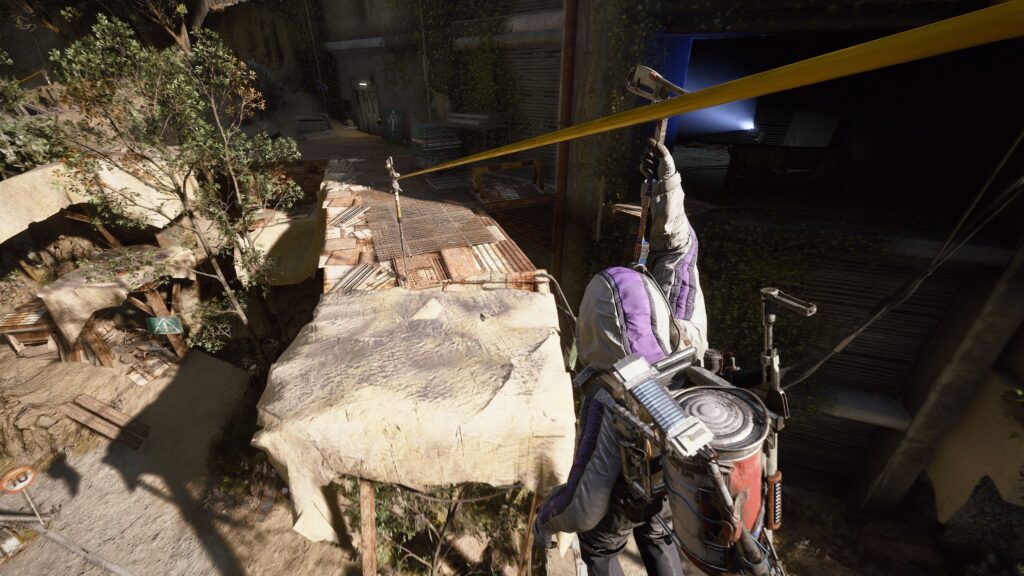
Survivors understand that efficiency comes from minimizing disruption, not maximizing speed.
Conclusion
Mob density zones in Arc Raiders demand slow, methodical play because pressure compounds rapidly in confined space. Players who accept reduced pace and prioritize information maintain control where others collapse.
Survival in these zones is not about strength—it is about discipline. Moving less often, but more intentionally, keeps danger manageable.
Leave a Reply